
December on the farm
Here’s the latest from Andrew Huxham, arable farmer and co-founder of Hectare Trading. Andrew discusses the run-in to the end of the year at his farm in West Sussex, including:
Moving out milling wheat and keeping all heaps below 10 degrees
An easier battle with pests this year due to the abundant natural harvest
Completing annual SFI claims – while the fieldwork slows down, paperwork continues!
The need to manage risk by selling forward where there is a margin, particularly on OSR
Find us on YouTube
All our video content can be found on the Hectare Trading YouTube channel. Subscribe to the channel now to stay up-to-date with:
Andrew’s “life on the farm” video diary and regular market news updates
Our popular “Ask An Expert” series – remember to send in your questions at support@wearehectare.com
Updates to the Hectare Trading site designed to enhance your grain trading and give you a live view of the local and national grain market
Making plans for 2026? Post a free listing on Hectare Trading and see what buyers are willing to pay for your grain.
Transcript
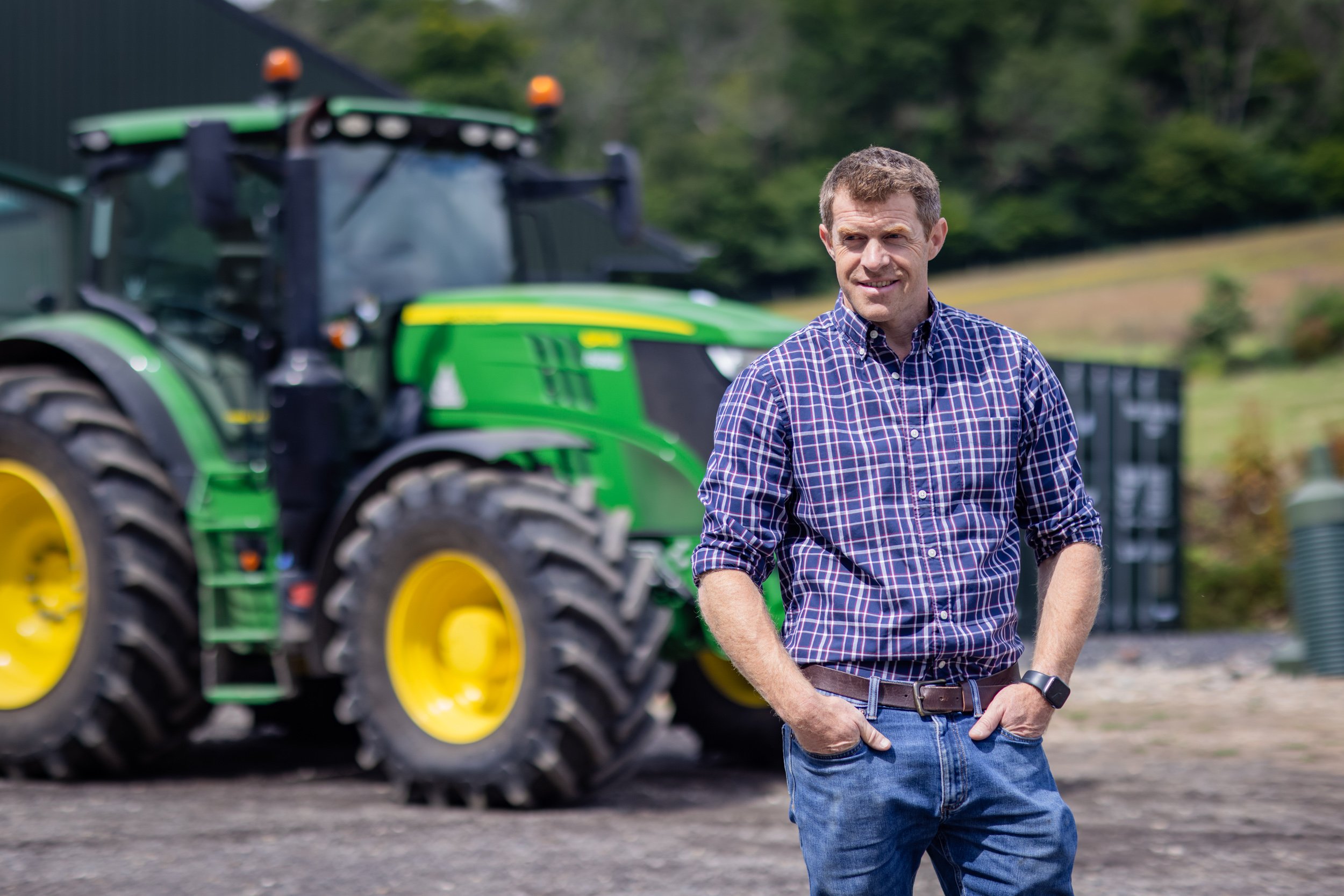
Andrew Huxham, arable farmer and co-founder of Hectare Trading
December provides a welcome break for most arable businesses. It’s an opportunity to take stock, work out what has worked and what hasn’t and try to prepare for the next calendar year.
We have continued to move milling wheat out of our store and all heaps – wheat, barley and beans – are now nicely below 10 degrees. All fans have been turned off.
I had a surprise phone call from a merchant mid-December as we had some protein claims on wheat. I’m not sure what he expected but when I commented that one farm yielded 10.7t/ha he sounded surprised – clearly this wasn’t the usual response this year. Perhaps I should have tried harder to blend but, for £2-3 per tonne, it’s not worth double-handling between stores and I was quietly smug that I had out-yielded the level of nitrogen applied in a year with such low yields elsewhere. It’s a shame it was only 30 hectares but every little helps.
We usually have the annual battle of the critters with pigeons attacking oilseed rape and mice and rats attempting to break into the grain stores, but this year that job hasn’t materialised. It’s a welcome change from last year when at least two days a week were spent checking gas bangers and putting out rope-strings of bangers to keep the pigeons moving. It’s another reminder that, although the arable harvest was poor, there was a bountiful natural harvest: acorns and beech martens are in abundance, as are all other natural berries for the rodents to feast on. Long may that continue!
So while fieldwork has slowed, the paperwork continues. I have just completed the first of four SFI annual claim forms and, where schemes overlap, it’s providing a mental workout to make sure we don’t double-claim but also don’t forget to include anything. We have catch, cover and companion cropping anywhere and everywhere we can. While it sounds like I don’t like it, it’s a very important revenue stream for our business and I hope we can continue to enhance our soils and environment in the future.
Looking forward, we’re currently growing both feed and malting barley below the cost of production, oilseed rape has a margin and milling wheat is around breakeven. If farming profitably is about managing risk and exposure, we need to sell more forward when there is a margin, or just keep rolling the dice – put it in the ground and hope values improve before I have to sell it for cash flow.
This article is for general information only and is not an instruction to trade. While we make every effort to ensure the accuracy of the content at the time of publication, Hectare Trading makes no guarantee regarding the data provided.