
January on the farm
Andrew Huxham has been in Tanzania this week, climbing Mount Kilimanjaro in support of Chestnut Tree House, a very worthy cause.
Before he set off, he recorded his latest diary update from his West Sussex farm, including:
Selling the last of the harvest 2025 crop, as high global stocks end hopes of a price rally
Meeting the Chichester Harbour Conservancy Trust to address nitrate pollution concerns
How potential nitrogen limits could harm the South Coast’s ability to grow high-quality milling wheat
Supply chain fairness – how contract terms shift risk onto farmers
Subscribe on YouTube
Remember, all our videos can be found on the Hectare Trading YouTube channel. Subscribe to the channel now so you never miss:
Andrew’s “life on the farm” video diary
“Ask An Expert” – we put your questions to industry experts
Our latest product updates and grain market news
P.S. If you’d like to find out more about Andrew’s trek up Kilimanjaro, or support his fantastic cause, here’s his JustGiving page. 🏔️
Still got old crop to sell? Making plans for harvest 2026?
Add a free crop listing on Hectare Trading and see what buyers are currently willing to pay in your region.
Transcript
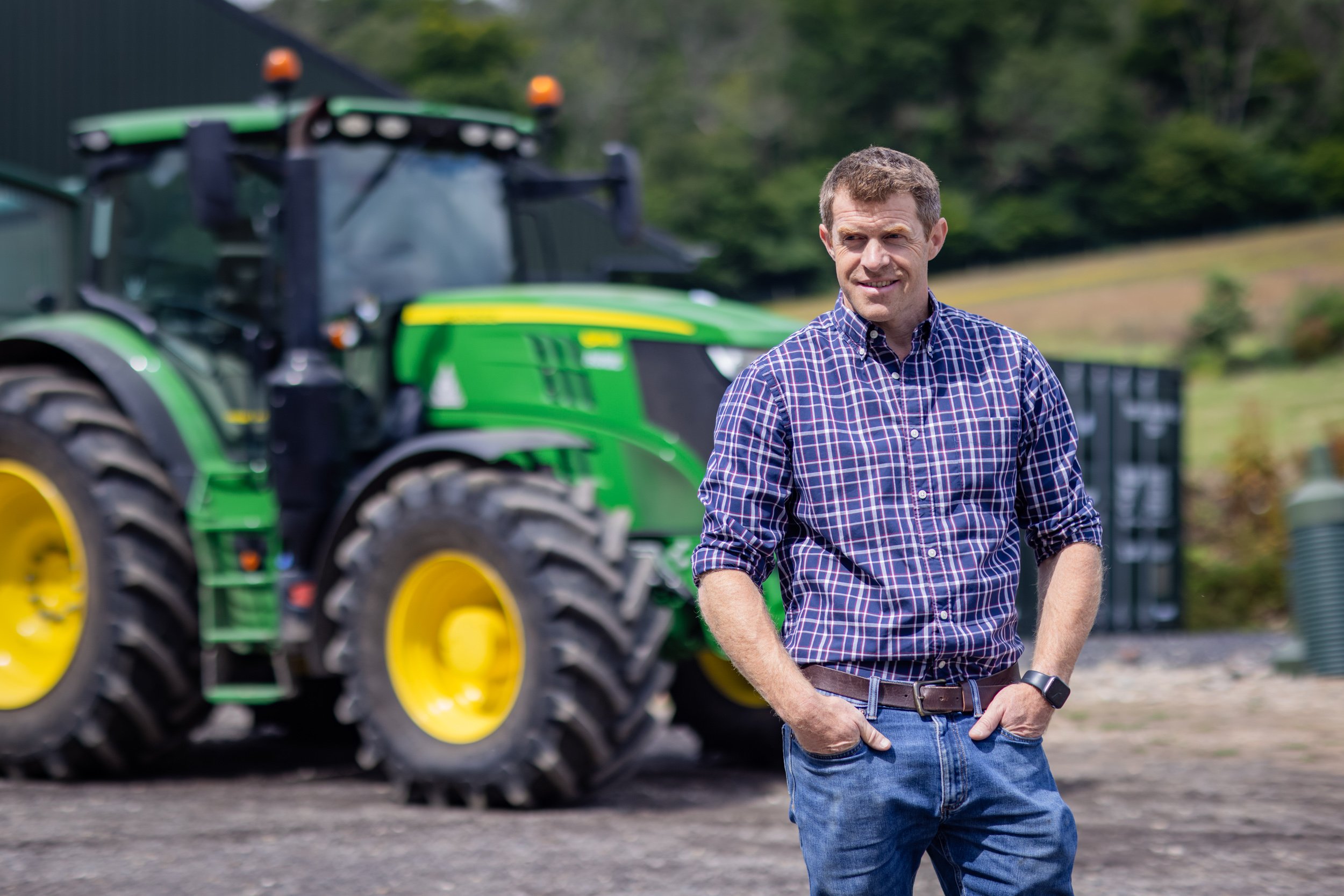
Andrew Huxham, arable farmer and co-founder of Hectare Trading
After a nice extended break for the festive period, we went back to work with renewed optimism for the year ahead. Unfortunately, this didn't last long when the January USDA (WASDE) report forecast the highest ever corn harvest and increased wheat stocks.
Coupled with lacklustre demand in the UK, my hopes of any rally in old crop values has finally diminished. Like many farmers, my final sales from last harvest were made, but fortunately I only had about 10% left.
Earlier this month, I was asked to attend a meeting with the Chichester Harbour Conservancy Trust. They’re the governing body of one of our local AOMBs, the Chichester Harbour. They’re concerned that excess nitrates from agriculture are causing algal blooms and would like to have a model similar to Poole Harbour where we’re heavily restricted on the amount of nitrogen we can apply.
The meeting was well attended, with two farmers, myself being one, three people from the NFU, someone from the Environment Agency and two people from Southern Water. As farmers, we made a point of explaining how we’re currently regulated and that we don’t actually want to apply any more fertiliser than absolutely necessary. I also explained that, thanks to SFI, we’re now growing catch and cover crops to use up any excess nutrients, and perhaps we’re already starting to change from the farming systems of the 90s and early 2000s.
Generally, nitrate pollution from agriculture can be attributed to anywhere from about 30% to 70% in this type of situation, which is quite a range. And, while it became obvious they thought we were the main problem, a full apportionment study needs to be undertaken before any changes can really be discussed. Both the Environment Agency and Southern Water are conducting this survey and the results are due to be published in 2027.
All these discussions made me think, we consistently produce good quality milling wheat on the South Coast, we have fertile soils on the Chichester Plain and plenty of sunlight. A restriction in nitrogen usage could put an end to this and make the farming landscape even more challenging.
I also filled out the “Fairness in the supply chain” survey. I’m not sure much will come of it, but I think it’s important as a farmer that our voices are heard. Without going into too much detail, it seems bizarre that some merchants have a clause that allows them to pass on export tariffs, especially when I don’t decide if the crop’s going to be exported. That’s their business decision.
I also think it’s strange that we continue to agree to end receiver’s terms. I, as a farmer, will never be able to see – and yes, I have asked multiple times – these legally binding terms I’m agreeing to. If they’ve never been and will never be made available to me, I’ve no idea what I’m signing up to. This is just another example of risk being loaded onto the producer, and surely this should be removed. My contract is with the counterparty I execute a trade with, not with the entity they choose to sell on to. That’s their choice and therefore their risk!
On a slightly lighter note, general machinery maintenance continues on the farm and some preparations for spring cropping have begun. Winter ploughing maize ground is complete and we’ve sprayed off some of the cover crops ready for spring barley drilling in February, should the weather allow.
This article is for general information only and is not an instruction to trade. While we make every effort to ensure the accuracy of the content at the time of publication, Hectare Trading makes no guarantee regarding the data provided.