
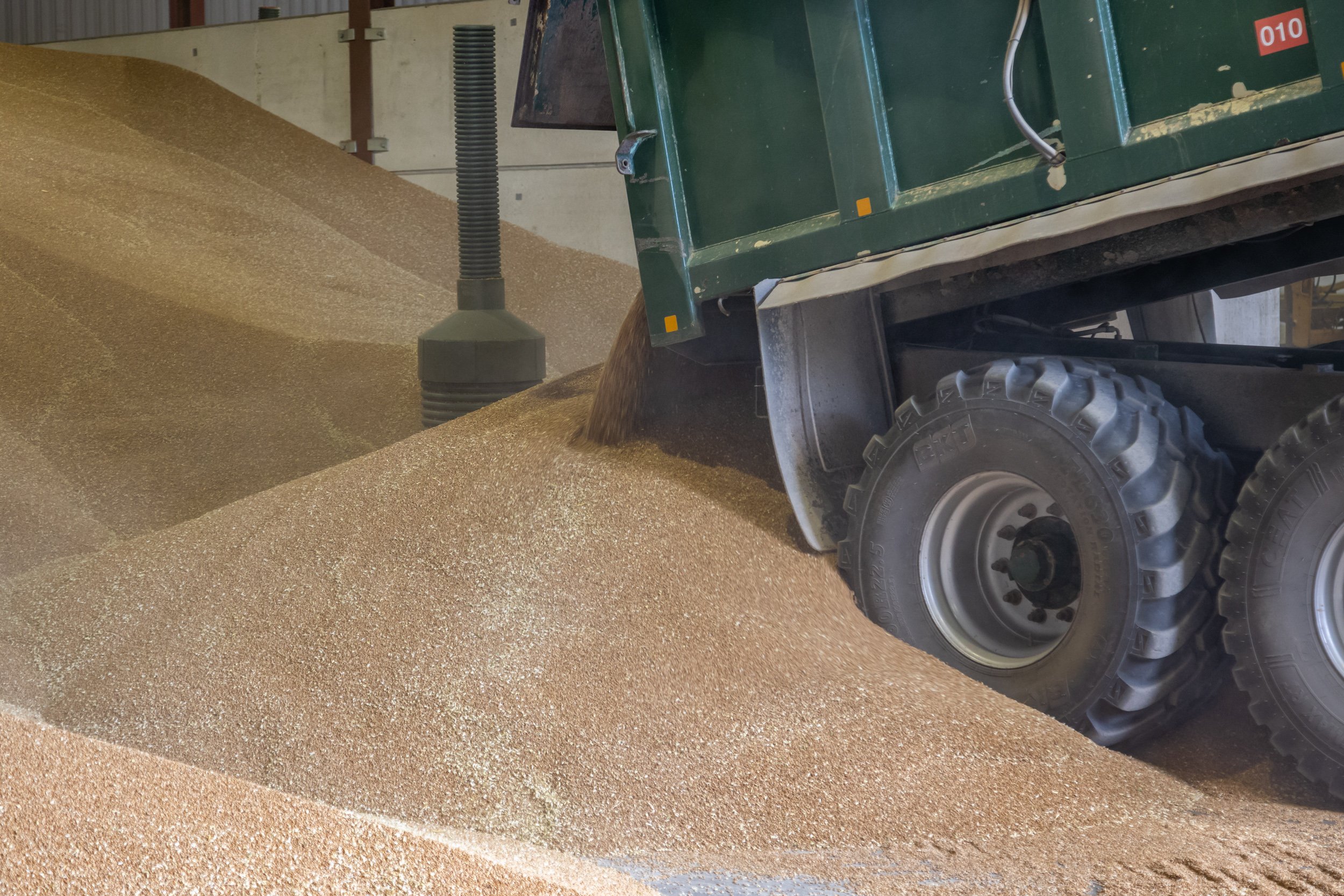
How to get the best value from stored grain
Stored grain only adds value if the market is paying you enough to cover the cost of waiting to sell. Treat storage as part of your marketing strategy – whether the grain is in your own shed, a commercial store or a co-op.
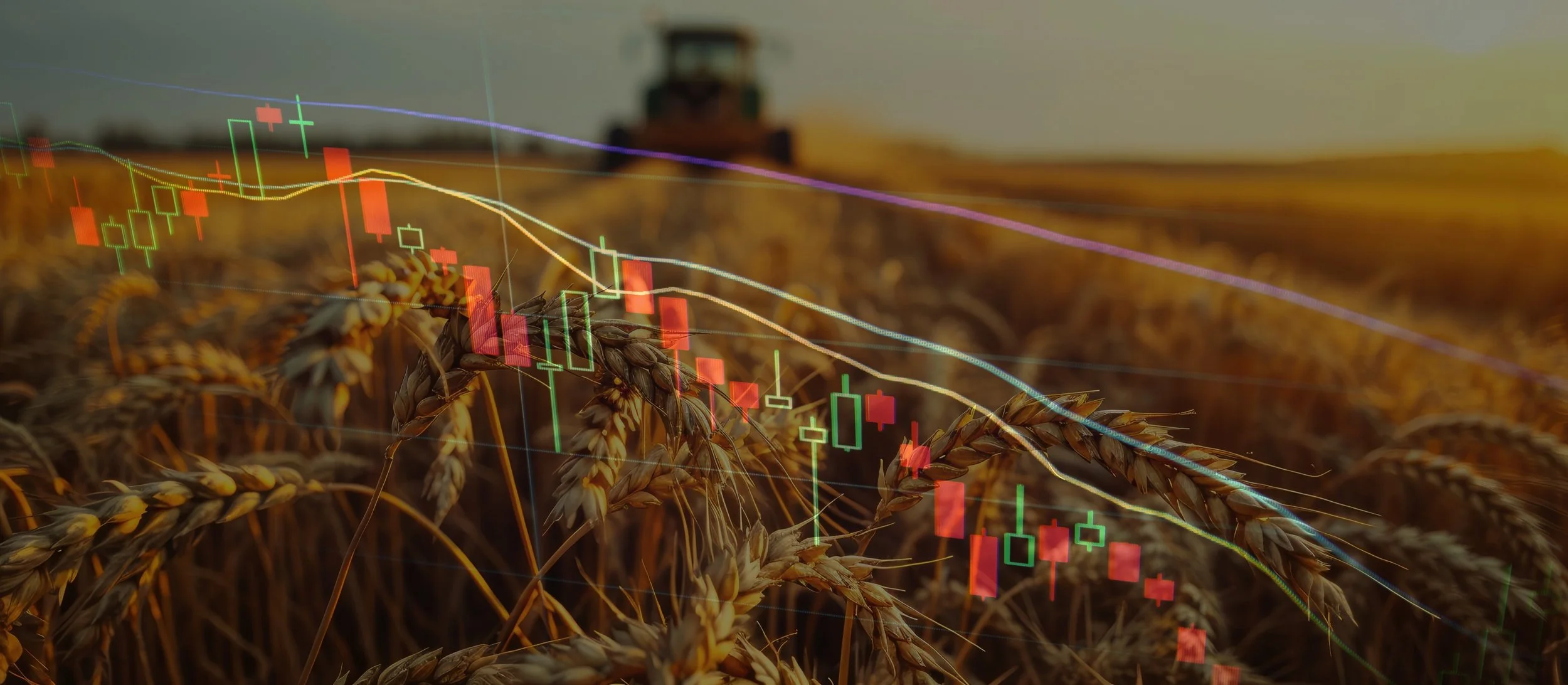
Managing risk in volatile grain markets
From heatwaves to geopolitical shifts, grain prices can swing in hours. Trying to time the absolute peak isn't a strategy – it's speculation. While you can't control global markets, you can control your response.
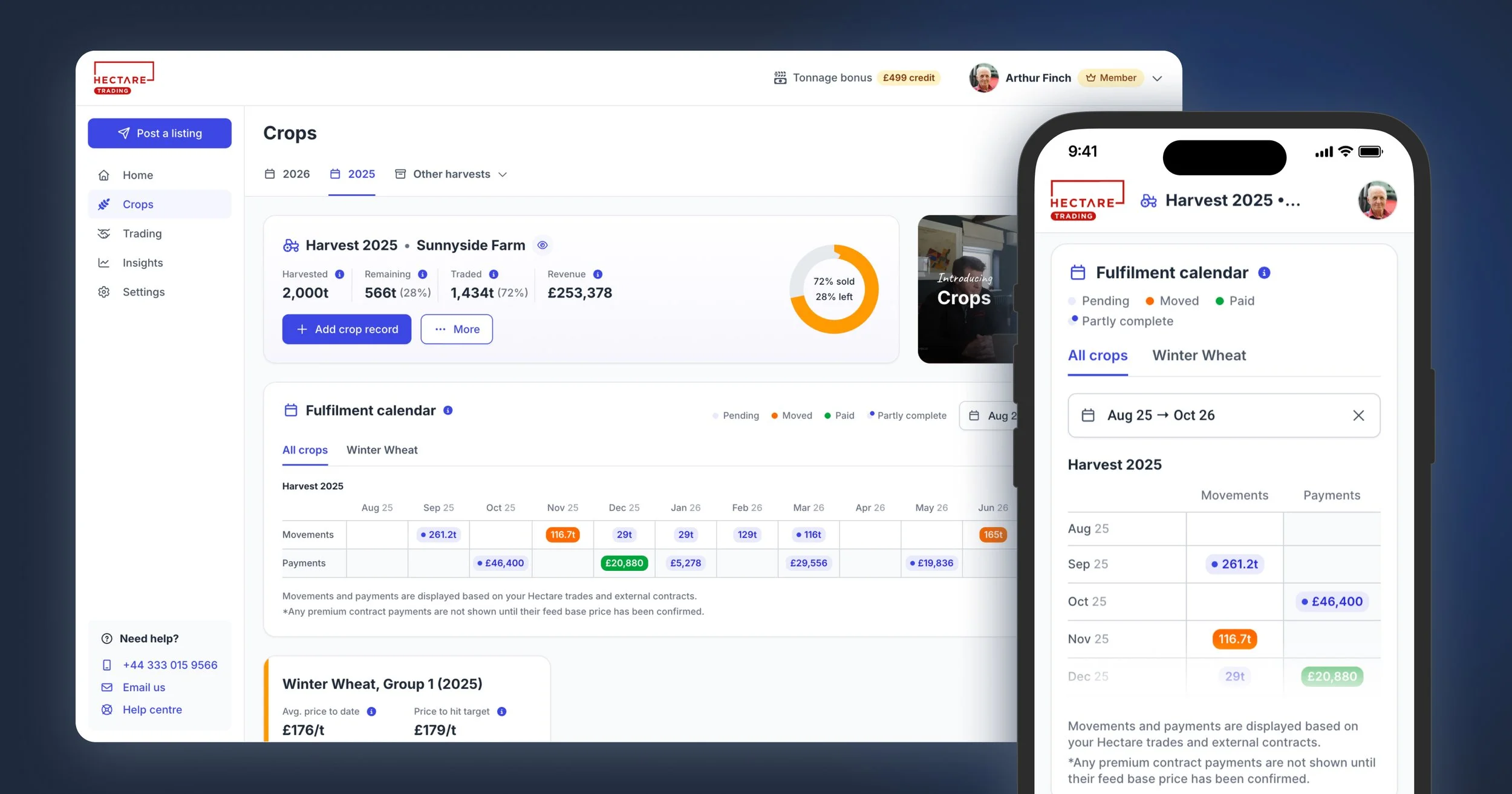
Six ways a Hectare Membership can improve your grain marketing
The Hectare Membership gives you more detail about your own position and the market around you, helping you make decisions with greater context. We break down the ways a Hectare Membership can enhance your grain marketing.

What do grain merchants look for in a seller?
From a grain merchant’s perspective, buying grain is not simply a matter of finding the cheapest load. They also want a seller they can dependably do business with. So what makes a seller attractive to grain merchants?
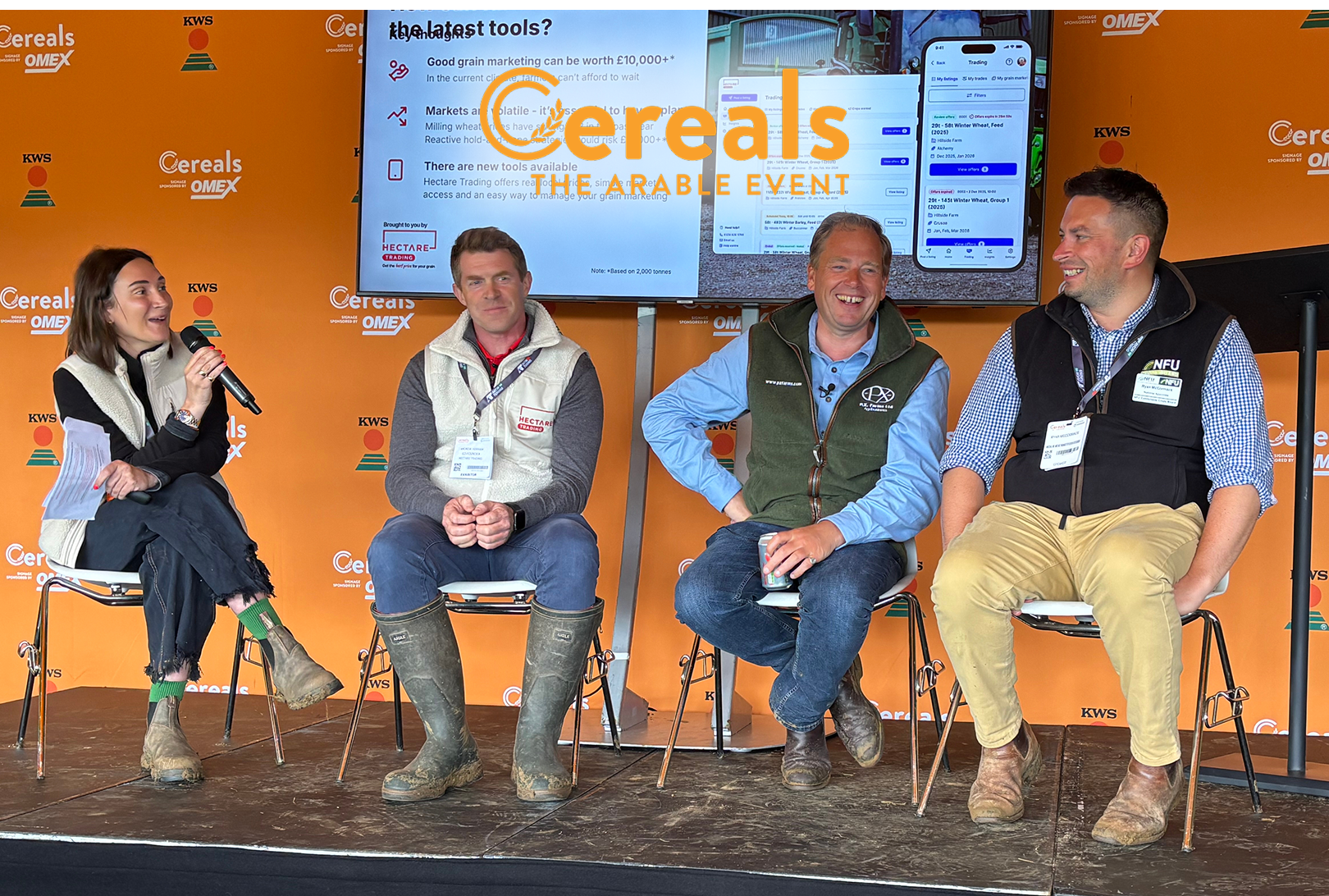
What’s next for UK farming? Insights from Cereals 2026
We explore some of the highlights and key themes of this year’s Cereals, including grain marketing advice, agricultural policy and the latest market outlook.
Cereals 2026: finding profitability in challenging times
Cereals 2026 will bring the UK arable farming sector together for two days focused on the future of UK agriculture. We preview some of the highlights.
Why waiting until harvest isn’t really a marketing strategy
While “wait and see” may feel like a low-risk approach, it can leave you open to sudden market moves with very little flexibility. We look at the benefits of a more proactive marketing strategy.

How to assess a grain marketing strategy
Profit alone doesn’t tell the whole story. We look at different ways to review and improve your grain marketing strategy season after season.
Should I hold crop over? Old crop decisions in an oversupplied market
With abundant supply depressing grain prices, does it make sense to carry old crop over to the new marketing year? And, if so, should you lock in a price on your stored grain by forward-selling now?

Your new crop checklist: are you ready to start selling?
Realistic tonnages, reliable costs and clear targets provide the foundation for confident selling. We run through a quick checklist to make sure your new crop plan is in good shape.
Have you started selling your new crop yet?
Many farmers are starting to price a portion of their 2026 crop, hoping to capture short-term price spikes in an otherwise oversupplied market. So is it time to sell your new crop?
How to choose your grain marketing strategy
Before you build a detailed selling schedule, it’s worth stepping back to think about your higher-level strategy – and whether it genuinely suits both your business and your personality.
Grain marketing in January: planning for the year ahead
January is the perfect time to make clear decisions about both your unsold grain and your new crop. Each crop faces different market conditions and should serve different strategic goals within your business.

How to measure carry against your storage costs
Selling your crop forward can be a good option when prices are low, but how can you work out whether the carry is enough to cover your extra costs for holding on to your crop?
How to manage risk by widening your grain-selling window
Prices move all year round, and a broader, 12-month or even 24-month approach to selling can help spread risk and improve your long-term returns.
How to build a grain marketing plan
A good grain marketing plan helps you sell at the right time, for the right price, to meet your business needs. It brings structure to your sales decisions, helping you manage risk and secure long-term profitability.

What can arable farmers learn from City traders?
Arable farmers and City traders might seem worlds apart. Yet both professions tackle the same challenge: managing risk in a volatile world. So what can farmers learn from those who make a living from mastering the markets?
How to shop around and get a better price for your grain
If you’ve ever found yourself taking whatever price your regular merchant offers – just to get the job done – you’re not alone. For most UK arable farmers, getting a fair grain price can feel like more hassle than it’s worth.

How to lock in value before your seed is in the ground
Prices might feel a long way off when you’re planning next year’s crop, but it’s never too early to lock in value and control your risk. Forward-selling isn’t just for harvest-ready grain – it’s a year-round tool for strategic grain marketing.

Don’t chase the market: planning for long-term profitability
Even in a tough market, the fundamentals of good grain marketing remain the same. As attention turns to next year’s harvest cycle, how can you promote stability rather than speculation?